
The One-Sentence Rule
If it broke from age, weather, or normal use, it's the landlord's job; if it broke because someone did something to it, it's the tenant's job.
That's the rule of thumb most leases follow even when they don't spell it out. But like most rules of thumb, it has exceptions worth knowing before you're arguing about a $300 repair bill.
The Exceptions That Actually Matter
- The lease overrides the default. If your rental agreement specifically assigns garage door maintenance to the tenant, that clause wins, even if it feels unfair. Read it before you assume.
- Misuse shifts the cost. A spring that snaps after fifteen years of normal cycling is wear and tear. A spring that snaps because someone kept yanking the emergency release and forcing a jammed door is damage, and damage usually falls on whoever caused it.
- Known problems that go unreported are on the tenant. If a door starts grinding or dropping unevenly and the tenant keeps using it for three months without saying anything, the landlord can reasonably argue the delay made things worse.
- Shared or commercial doors follow different rules. In multi-unit buildings or live-work spaces with a shared commercial-grade door, maintenance responsibility is often split differently than in a single-family rental. Check the lease or property management agreement directly.
What to Inspect at Move-In (Before You Sign Anything)
A ten-minute walkthrough at move-in saves hours of arguing later. Do this together, landlord and tenant, and take photos with the date visible.
- Test the opener with both the remote and the wall button. Note any delay, hesitation, or grinding on open and close.
- Check the safety sensors (the small eyes near the bottom of the track). Wave a hand in front of them while the door is closing — it should reverse immediately. If it doesn't, this is a safety issue that needs fixing before anyone moves in.
- Do a manual balance test. Disconnect the opener using the red pull cord, then lift the door by hand to waist height and let go. A properly balanced door stays put or drifts down slowly. If it crashes down or flies up, the springs are off and that's a landlord repair, not something to live with.
- Look at the weatherstripping along the bottom and sides. With winter rain season starting, worn or cracked seals mean water intrusion down the line — worth flagging in writing now.
- Check tracks and hardware for rust, especially in homes closer to the coast in Pacifica, Daly City, or Brisbane where salt air speeds up corrosion. Surface rust on older hardware is normal wear; heavy rust that's already pitting the metal should be documented.
- Ask about earthquake retrofit bracing if the door and opener look original to an older house. Retrofit brackets reduce the risk of the door jumping its tracks during a quake, and if they're missing, that's useful to know and document before move-in, not after.
- Note existing dents, dings, or panel damage with photos. This protects the tenant from being blamed for a problem that was already there.
Who Typically Pays for What
Once you're past move-in, here's how most disputes shake out in practice:
- Landlord's side: spring replacement from normal wear, opener motor failure from age, track misalignment from settling or minor seismic shifting, weatherstripping replacement, routine lubrication and adjustment.
- Tenant's side: a dented panel from backing a car into it, a lost or broken remote, damage from forcing a door that was visibly stuck, and any repair needed because a known issue was ignored and reported late.
- Gray area, read the lease: rust from salt air that was already visible at move-in but accelerated during the tenancy; opener battery or keypad issues; damage during storms if the tenant left the door open overnight during heavy rain.
When to Call South San Francisco Garage Door
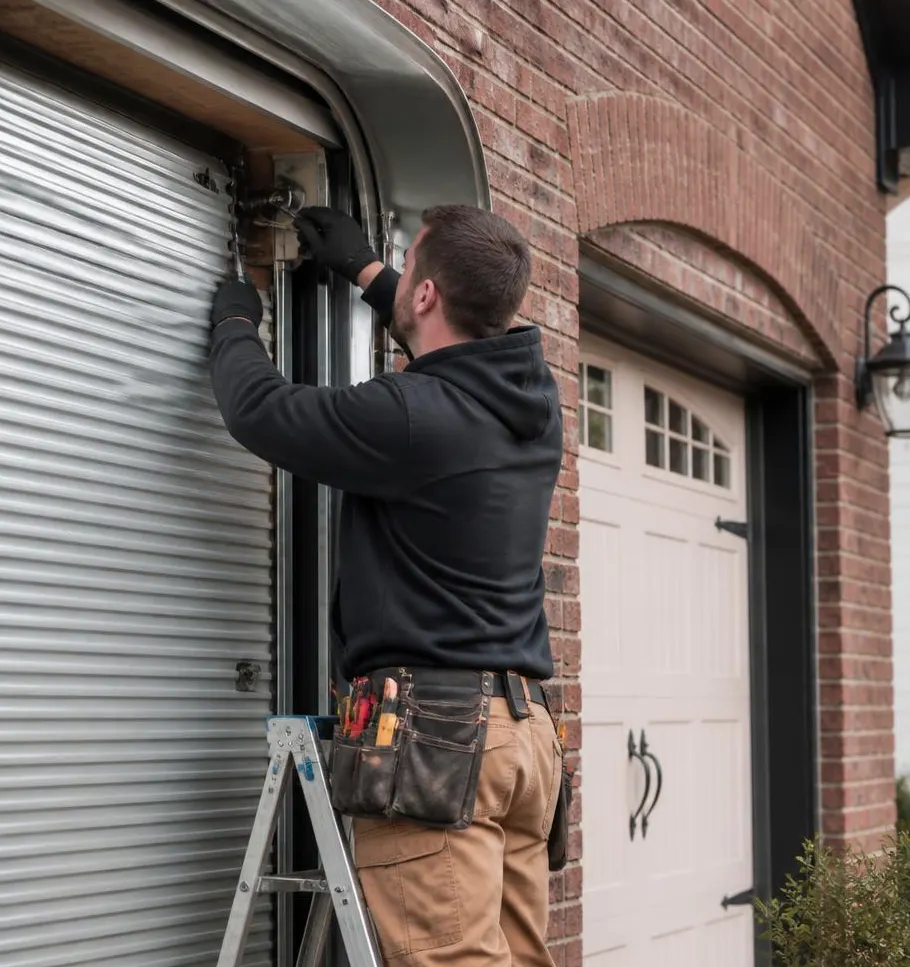
If you're a landlord preparing a unit between tenants, or a tenant who wants a neutral, written record before move-in, a professional inspection settles the argument before it starts. We can run a full Garage Door Maintenance check — testing balance, sensors, springs, and seals — and hand over a clear report of what's wear-and-tear versus what needs attention now. If something's already broken, our Garage Door Repair service gets it fixed fast, with an itemized invoice that makes it obvious whose column the cost belongs in.
Whether you're in South San Francisco, Millbrae, Burlingame, or anywhere else on the Peninsula, call South San Francisco Garage Door before the lease is signed, not after the fight starts. We'll give you the paper trail both sides need.